Investing in Miami Real Estate in 2026: What You Need to Know Before You Buy
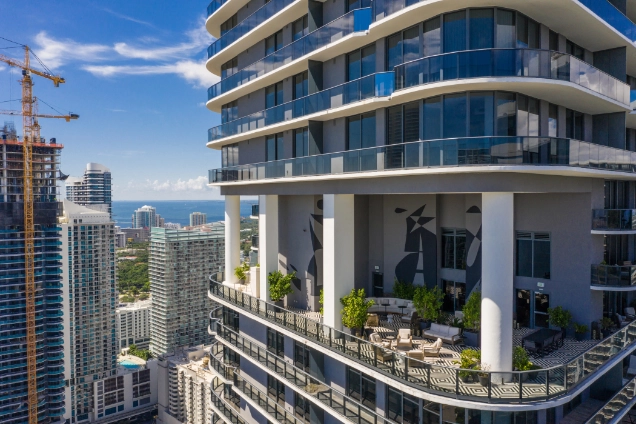
Miami has long been a magnet for real estate investors—and in 2026, it remains one of the most compelling markets in the country. But the playbook has changed. The easy gains of the pandemic boom are behind us, and today's investors need a sharper, more analytical approach to buying investment property in Miami-Dade.
In this guide, Mi Propiedad Perfecta breaks down the current rental market, neighborhood opportunities, realistic returns, and the risks every investor must understand before committing capital in 2026.
- Why Miami remains a strong long-term investment market
- Rental market data and average rents in Miami-Dade
- Best neighborhoods for investors in 2026
- How to calculate real ROI beyond the purchase price
- Key risks and due diligence steps before you buy
1. Where Mortgage Rates Stand Right Now (April 2026)
As of the first week of April 2026, the average 30-year fixed mortgage rate nationally is approximately 6.46%, according to Freddie Mac's Primary Mortgage Market Survey—up slightly from 6.38% the previous week. Bankrate reports Florida's 30-year fixed rate at approximately 6.58%, while the 15-year fixed sits near 5.90%.
Rates briefly dipped below 6% in early 2026 for the first time since 2022, triggering a short surge in buyer activity. Since then, economic uncertainty and inflationary pressures have pushed rates modestly back up—but they remain meaningfully below the near-8% peak seen in October 2023.
1. Why Miami Remains a Strong Investment Market
Several structural factors continue to make Miami one of the most attractive real estate investment markets in the U.S.:
- No state income tax. Florida's tax-friendly environment is a major driver of migration from higher-tax states like New York and California—and those new residents need housing.
- Continued population growth. Florida was recognized as the #2 growth state of 2025, and Miami-Dade's population continues to expand.
- Strong international demand. International buyer purchases of Florida residential properties surged 51% in the 2024–2025 period, with dollar volume reaching $10.4 billion—a major sign of continued global investor confidence.
- Long-term price appreciation. Single-family median values in Miami have risen more than 159% since 2016, and condo prices have more than doubled over the past decade.
2. Rental Market Data: What Tenants Are Paying in Miami-Dade
Miami has one of the most competitive rental markets in the country. Key data points for 2026:
- Average monthly rents in Miami-Dade run approximately $2,800–$3,425/month, depending on property type and neighborhood.
- Studios and one-bedrooms in areas like Brickell and Wynwood range from approximately $2,000–$3,470/month.
- Long-term rentals in strong Miami neighborhoods can net 6–8% annual returns after expenses for well-positioned investors.
- The rental market is supported by continued demand from young professionals in finance, technology, and professional services—sectors that have expanded significantly in Miami over the past five years.
3. Best Neighborhoods for Investors in 2026
Not all Miami neighborhoods offer the same opportunity. Here's a quick breakdown of areas with strong investor fundamentals:
Brickell
Miami's financial hub continues to deliver strong resale liquidity and steady rental demand from professionals and executives. High-rise condos in mid- to upper-tier buildings remain attractive for long-term rental strategies, though new supply continues to deliver competition in some segments.
Edgewater & Downtown Miami
These corridors stand out for demographic growth projections and rental market strength at more accessible price points than Brickell or Miami Beach. Strong appeal for young renters looking for urban living without the South Beach premium.
Coconut Grove & Coral Gables
These established neighborhoods log the shortest days on market and lowest inventory levels among Miami's key submarkets. Families and professionals prioritize these areas for schools, walkability, and long-term quality of life—creating durable rental and resale demand.
Wynwood
Transformed from an industrial district into a global destination for art, dining, and tech startups, Wynwood attracts strong short-term rental demand and younger renters. Investors must carefully review zoning and short-term rental regulations before purchasing—rules vary significantly by property type and location.
4. Calculating Real ROI: Beyond the Purchase Price
In 2026, successful Miami investors focus on total cost, not just sticker price. Before any offer, model out:
- Mortgage payment at current rates (~6.46% for 30-year fixed)
- Property taxes (Florida's weighted average effective rate is approximately 0.91% of assessed value)
- Homeowners insurance ($4,375–$7,290+/year in South Florida)
- HOA fees ($350–$700/month for coastal condos in Miami Beach and similar areas)
- Property management (typically 8–12% of monthly rent if you hire a manager)
- Vacancy rate buffer (always assume some vacancy in your projections)
A condo that looks profitable at $450,000 with $2,800/month rent may break even—or lose money—once you add $600/month in HOA, $500/month in insurance, and a property management fee. Work with a knowledgeable lender and real estate team who can model full carrying costs before you commit.
5. Key Risks Every Miami Investor Must Know
Miami real estate investment is rewarding but not risk-free. The most important risks in 2026:
- HOA special assessments. New Florida reserve requirements mean older condo buildings may issue large assessments. Always review financial reserves before buying a condo for investment.
- Short-term rental restrictions. Miami Beach and other popular areas have strict or outright bans on short-term rentals in many buildings and zones. Never assume Airbnb income is available without verifying it first.
- Insurance cost volatility. Insurance premiums in South Florida are among the most unpredictable in the U.S. Budget conservatively and re-quote policies annually.
- Market selectivity. The 2026 market rewards precision. Average properties are facing more friction. Well-located, well-maintained assets continue to perform—outliers struggle.
6. How Mi Propiedad Perfecta Supports Miami Investors
Whether you're a first-time investor or expanding an existing portfolio, Mi Propiedad Perfecta brings the local market knowledge, professional network, and analytical approach to help you make sound decisions in Miami-Dade's evolving market.
We help investors identify properties with strong rental fundamentals, connect with lenders experienced in investment financing, and navigate due diligence—so you enter the market with clarity, not guesswork.
Interested in investing in Miami real estate? Contact Mi Propiedad Perfecta to start a conversation about your goals and the right strategy for today's market.
Frequently Asked Questions
Is Miami real estate a good investment in 2026?
Yes, for disciplined investors who model full carrying costs and choose the right neighborhood and property type. Long-term fundamentals—population growth, tax advantages, and international demand—remain strong.
What rental income can I expect in Miami?
Average rents in Miami-Dade run $2,800–$3,425/month. Strong neighborhoods with long-term tenants can net 6–8% annual returns after expenses.
Can I do short-term rentals (Airbnb) in Miami?
It depends on the building's HOA rules and municipal zoning. Miami Beach has strict restrictions. Always verify before purchasing with a short-term rental strategy in mind.
Do I need to be a U.S. citizen to invest in Miami real estate?
No. Foreign buyers are subject to the same ownership rules as local buyers. No residency or citizenship requirement applies when purchasing real estate in Florida.